
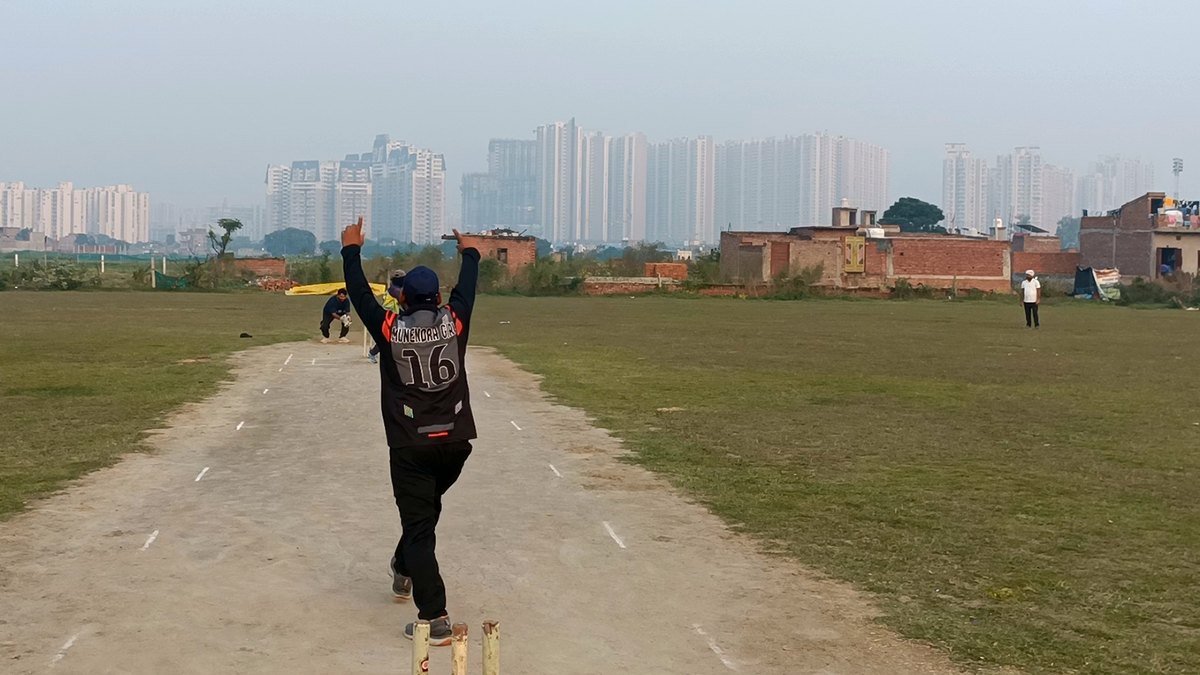
Day 4 of Criko Diaries was a rematch. A week after we chased down 198 against Ghaziabad Super Kings, we met them again at Hare Krishna Cricket Ground 3 in Greater Noida: Sunday afternoon, 20 overs a side, tennis ball. They won the toss, batted, and were bowled out for 180. We were 66/3 after six overs, ahead of the rate and ahead of their score at the same point. Then we lost seven wickets for 45 runs and were all out for 111 in 11.5 overs. Ghaziabad Super Kings won by 69 runs, and 49 balls of our chase were never bowled.
Quick Answer
To avoid a batting collapse in a run chase, treat wickets as the resource that runs out first, not overs. A 20-over chase gives you 120 balls and 10 wickets. If you score at the required rate but lose a wicket every seven balls, you’ll be all out long before the overs end. After a wicket, the next few balls are the most dangerous ones: rotate the strike, keep the ball on the ground and let the new batter settle. We scored faster than the required rate all through our chase (9.38 an over against 9.05 needed) and still lost by 69, because 9 of our 10 wickets were catches from shots in the air.
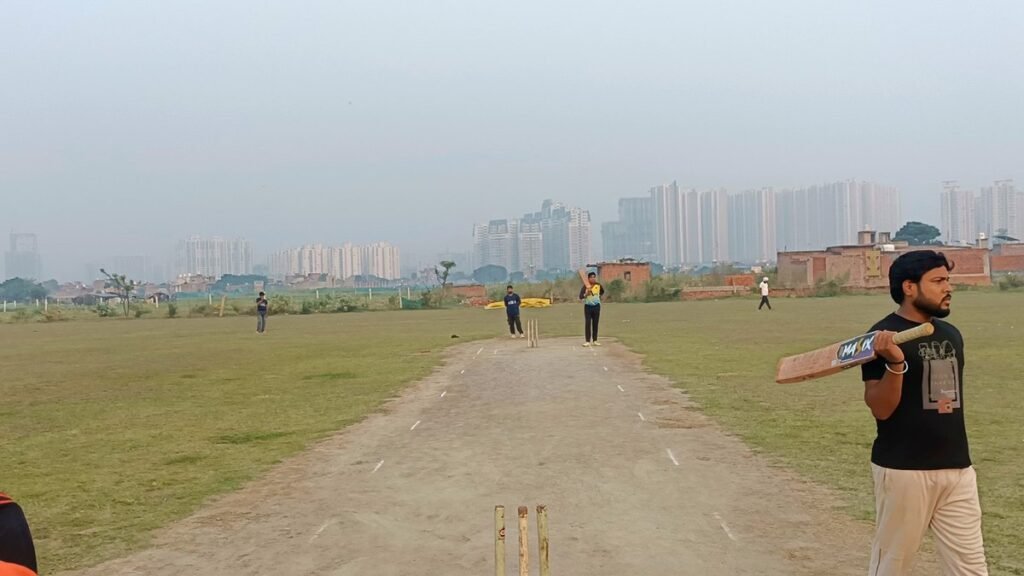
The Match in Numbers
| Format | 20 overs a side, tennis ball |
| Venue | Hare Krishna Cricket Ground 3, Greater Noida |
| Toss | Ghaziabad Super Kings won and chose to bat |
| Ghaziabad Super Kings | 180/10 (18.5 overs, 9.56 an over) |
| Kingslayer | 111/10 (11.5 overs, 9.38 an over) |
| Result | Ghaziabad Super Kings won by 69 runs |
| Boundaries | Ghaziabad Super Kings 20 fours and 7 sixes; Kingslayer 11 fours and 7 sixes |
| Runs from running | Ghaziabad Super Kings 43; Kingslayer 19 |
| Wickets that were catches | Kingslayer 9 of 10; Ghaziabad Super Kings 10 of 10 |
| Extras | Kingslayer conceded 15 (all wides); Ghaziabad Super Kings conceded 6 |
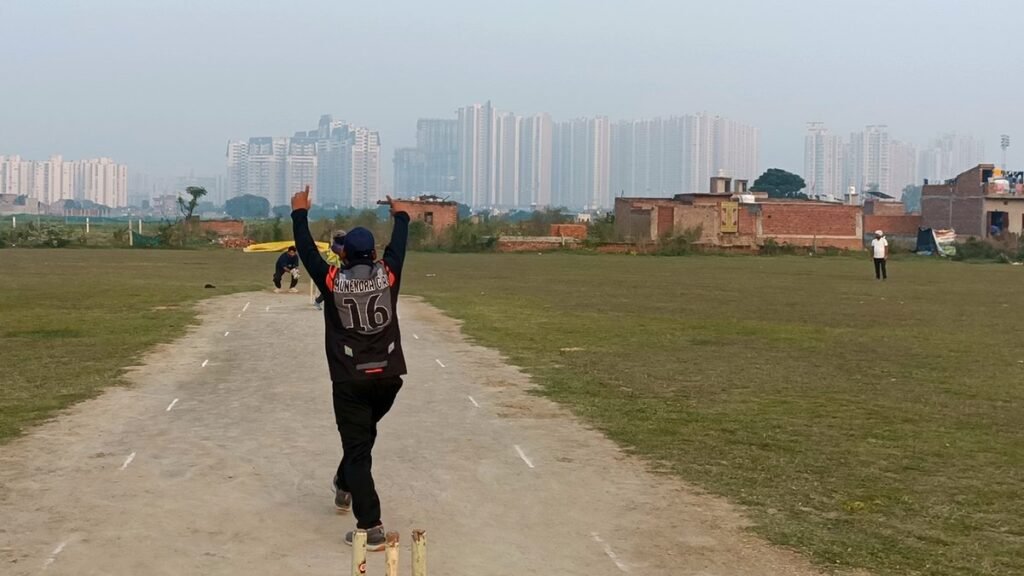
The match was filmed on a phone on a tripod behind the bowler’s stumps. The highlights below show Ghaziabad Super Kings’ eventful first over, shots from both innings, every wicket of our collapse that the camera caught, and the run race at the end.
Watch the Highlights
Ahead After Every Over, and Still Lost
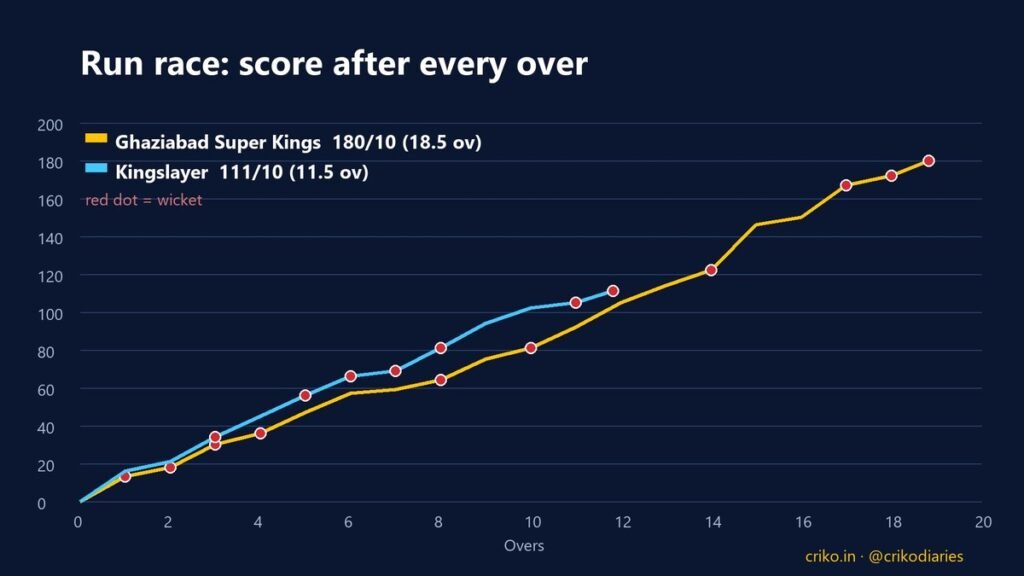
A target of 181 needs 9.05 runs an over. We were above that from the first over. Here is our chase next to Ghaziabad Super Kings’ innings at the same points.
| After | Kingslayer | Needed | Asking rate | Ghaziabad Super Kings at the same point |
|---|---|---|---|---|
| Start | 0/0 | 181 from 120 balls | 9.05 | – |
| 6 overs | 66/3 | 115 from 84 balls | 8.2 | 57/4 |
| 8 overs | 81/6 | 100 from 72 balls | 8.3 | 64/5 |
| 10 overs | 102/6 | 79 from 60 balls | 7.9 | 81/6 |
| 11.5 overs | 111/10 | 70 from 49 balls, no wickets left | – | 92/6 (after 11) |
Last week we said the simplest check in a chase is whether you’re ahead of the other side’s score at the same point. That check was true again today, at every single over, and we lost by 69. It only works when the wickets column is close too. At 10 overs we were 21 runs ahead of where they had been, but with the same six wickets down. They had eight and a half overs left to use those last four wickets. We had four wickets and ten overs, and used up all four in less than two overs.
Seven Wickets for 45 Runs
The collapse came in two bursts. The first started in the 6th over: four wickets fell for 9 runs in 13 balls, from 66/2 to 75/6. The second came after a good partnership had taken us to 102/6 after 10 overs, needing 79 from 60 balls with four wickets left. The last four wickets fell for 7 runs in 9 balls.
Both bursts had the same pattern. A wicket fell, the new batter went for a big shot early, and the ball went up in the air. Nine of our ten wickets were catches. In tennis-ball cricket, where the ball flies off the bat and fielders on a big ground have time to get under it, a lofted shot from a batter who has faced two or three balls is the most likely way to lose a wicket.
Only 19 Runs From Running
This is the number that explains the day. Of our 111 runs, 86 came from boundaries and 6 from extras. That leaves 19 runs from singles, twos and threes in almost 12 overs. Ghaziabad Super Kings ran 43, more than twice as many.
When nearly all your runs come in fours and sixes, every scoring shot carries a risk. Singles are what let a batting side keep scoring without taking that risk on every ball. At 66/3 we needed 8.2 an over. Six singles and one four in an over make 10. We didn’t need to clear the ropes every over. We needed to keep the scoreboard moving and keep batters at the crease long enough for the bad balls to come.
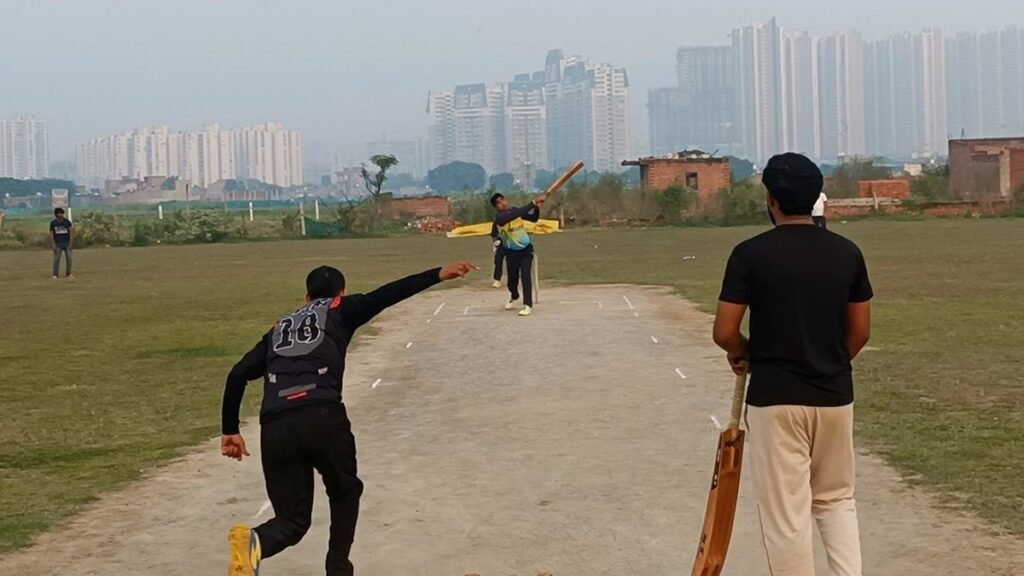
The First Innings: A Strong Start We Didn’t Finish
Our bowling started brilliantly. Ghaziabad Super Kings were 36/4 after four overs and 81/6 after ten. From there they made 180. Their lower order added 99 runs in the last 8.5 overs, including a 24-run 15th over with three fours and two sixes in it.
Our 15 extras, all wides, were less than last week’s 27, which is progress (see the hidden cost of a wide). But the bigger lesson from their innings is the mirror of ours: with six wickets down they didn’t panic. They kept scoring, and their last four wickets were worth 99 runs. Ours added 36.
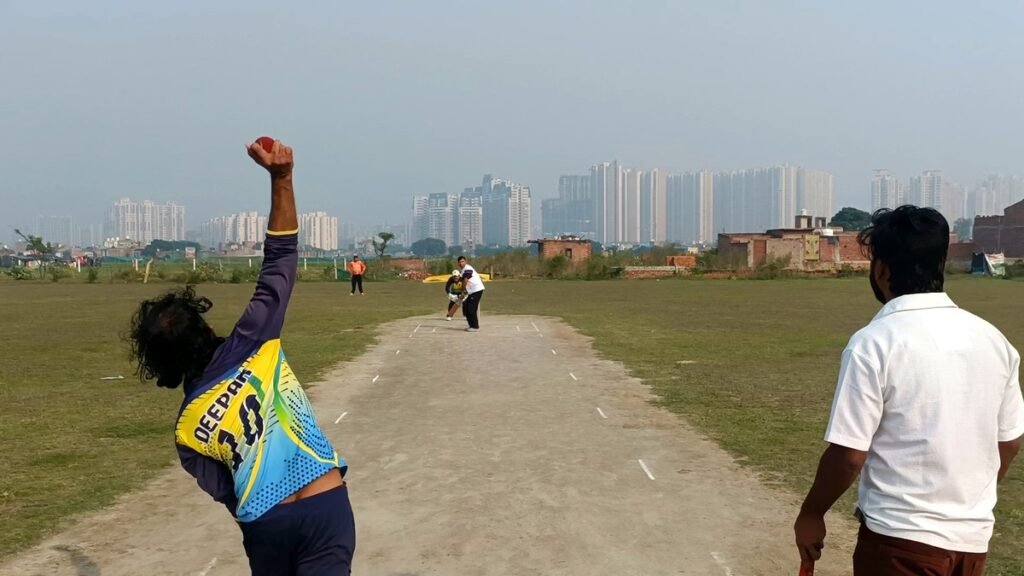
How to Avoid a Batting Collapse in a Run Chase
These are the habits we’re taking into next Sunday.
- Count balls per wicket, not just the run rate. Divide the balls left by the wickets left. At 66/3 after six overs we had 84 balls and 7 wickets: 12 balls per wicket. If that number drops below about 8, stop taking risks until it comes back up.
- Give every new batter six balls. Most collapses happen in the few balls after a wicket. The incoming batter’s first job is to get off the mark with a single and see the pace of the pitch, not to hit the next ball for six.
- Keep the ball on the ground after a wicket. Nine of our ten wickets were catches. When two wickets have fallen close together, play along the ground for an over and take the singles.
- Treat singles as part of the plan. Count your runs from running as well as your boundaries. If it’s under a fifth of your total, the batting is too all-or-nothing.
- Use the required rate as permission to be patient. If the asking rate is 8 and you have wickets in hand, one boundary and singles every over is enough. A good start buys time, so use it.
- Tell the next batter the plan before they walk in. “We need 8 an over, take singles for an over” is easier to follow than working it out at the crease.
- Finish the job with the ball. Six down for 81 isn’t the end of an innings. Keep the best bowlers for the end, keep the field set for the tail, and don’t let the last four wickets add a hundred.
Frequently Asked Questions
What causes a batting collapse in cricket?
Usually a run of wickets close together, where each new batter gets out before they’ve settled. In our match, four wickets fell for 9 runs in 13 balls, and later another four fell for 7 in 9 balls. The common thread was big shots early in an innings, caught in the deep. Pressure from a required rate makes it worse, but in our case the rate wasn’t the problem: we were ahead of it.
Is it better to keep wickets or keep up with the run rate when chasing?
Both matter, but wickets matter more early and in the middle overs. A side that’s slightly behind the rate with eight wickets left can catch up with a couple of big overs at the end. A side ahead of the rate with three wickets left can be bowled out with overs to spare, which is exactly what happened to us. Our required run rate calculator shows the rate; dividing balls left by wickets left shows the other half.
How many runs should come from singles in a 20-over tennis-ball match?
There’s no fixed number, but in our matches the sides that score steadily usually get a quarter to a third of their runs by running. Ghaziabad Super Kings got 43 of their 180 that way, about a quarter. We got 19 of 111, about a sixth. Last week, when we chased 198, the running runs and the boundaries came together. Read that chase in how to chase 200 in tennis-ball cricket.
Next Match
Two wins and two losses from four diaries, and one win each against Ghaziabad Super Kings. Next Sunday the target is simple: no more than one wicket in any six-ball spell after a wicket falls. You can follow every match here in Criko Diaries and on our YouTube channel, Criko Cricket Diaries. If you play weekend cricket too, score your next match in the free Criko app. It keeps every ball and shows the over-by-over numbers, partnerships and fall of wickets you need to find your own lesson.