
Day 5 of Criko Diaries was a win. We played Manthan ke khiladi at M2 Ground on Sunday afternoon: 20 overs a side, tennis ball. We won the toss, batted, and made 239/7. Manthan ke khiladi were bowled out for 190 in 19.1 overs, so Kingslayer won by 49 runs. The scorecard makes it look easy. It wasn’t. In the middle of our innings we lost four wickets for 18 runs, and after 15 overs the two teams were only two runs apart. This post is about what happened between the wobble and the finish.
Quick Answer
When wickets fall in a cluster in the middle of a 20-over innings, reset rather than shut down. Take two or three quiet overs to stop the bleeding, keep the remaining batters together, and then attack again. Wickets in hand are what make a big finish possible. We went from 117/1 to 135/5, scored only 9 runs in overs 12 to 14, and then made 104 off the last six overs. After 15 overs we were 146/5 and Manthan ke khiladi were 144/9. The scores were almost level. The difference was five wickets, and that’s what turned a close game into a 49-run win.

The Match in Numbers
| Format | 20 overs a side, tennis ball |
| Venue | M2 Ground |
| Toss | Kingslayer won and chose to bat |
| Kingslayer | 239/7 (20 overs, 11.95 an over) |
| Manthan ke khiladi | 190/10 (19.1 overs, 9.91 an over) |
| Result | Kingslayer won by 49 runs |
| Runs in fours and sixes | Kingslayer 178 of 239; Manthan ke khiladi 114 of 190 |
| Dot balls faced | Kingslayer 46; Manthan ke khiladi 41 |
| Powerplay (overs 1-6) | Kingslayer 77/0; Manthan ke khiladi 56/2 |
| Last five overs | Kingslayer 93/2; Manthan ke khiladi 46/1 (in 4.1 overs) |
| Extras conceded | Kingslayer at least 10 wides and 2 no-balls; Manthan ke khiladi 4 or 5 |
This week the phone on the tripod stood behind the batter’s stumps, so the highlights show the shots up close. You’ll see every shot of the powerplay, the 27-run 19th over ball by ball, the hat-trick in the chase, and the run race at the end.
Watch the Highlights
77/0 in the Powerplay
The start couldn’t have gone much better. The first over went for 3, and then the openers took 18, 8, 10, 21 and 17 from the next five. That’s 77 without losing a wicket, at 12.8 an over. Sixty-two of those 77 runs came in fours and sixes, and only 12 of the 36 balls were dots. Manthan ke khiladi kept attacking with the ball and kept the field up, so the gaps were there.
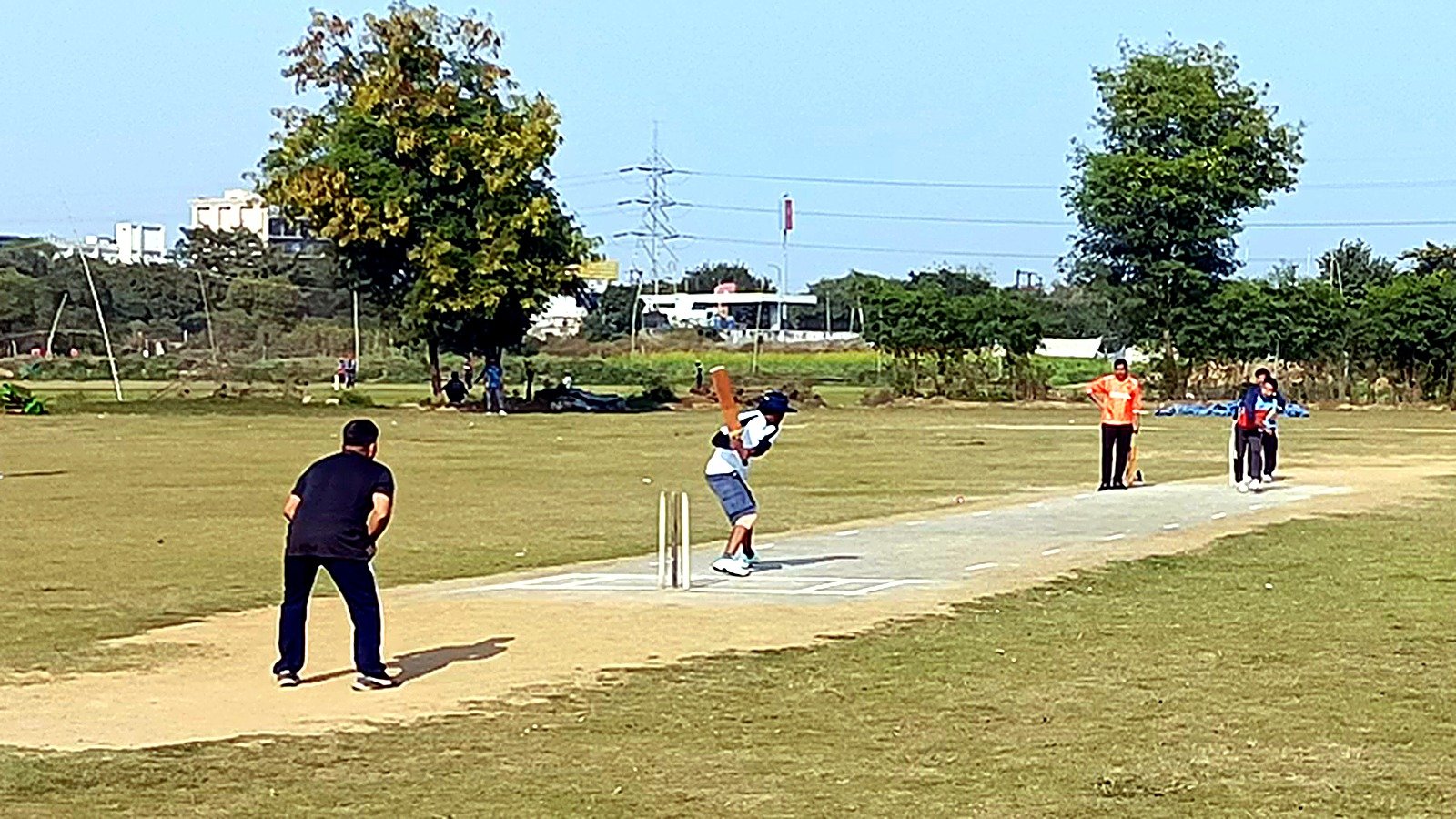
The next four overs were quieter but still steady: 112/1 after 10 overs, with the first wicket falling at 89 in the eighth. At that point a total of 220 or more looked realistic.
Four Wickets for 18 Runs
Then the innings stalled. Here are overs 11 to 14 from the scorecard.
| Over | Balls | Runs | Score at the end |
|---|---|---|---|
| 11 | 4, 1, W, 1, wide, 4 (+3) | 14 | 126/2 |
| 12 | 0, 0, W, 0, 0, 1 | 1 | 127/3 |
| 13 | 0, 0, W, 0, 2, 0 | 2 | 129/4 |
| 14 | 4, 1, 0, 1, W, 0 | 6 | 135/5 |
From 117/1 to 135/5 in 20 balls. A wicket fell on the third ball of three overs in a row, and overs 12 and 13 had 8 dot balls and two wickets between them. The overs from 12 to 16 were the only phase of the match that Manthan ke khiladi won: they scored 54/2 in their overs 12 to 16, we scored 45/3 in ours.
This is the moment where an innings can go two ways. One way is to keep swinging and lose two more wickets, which leaves the tail facing the last five overs. The other is to stop scoring altogether and finish on 170. We did neither. Overs 12 to 14 were slow, but after the fifth wicket, late in the 14th over, the next 19 balls passed without another one.
104 Runs Off the Last Six Overs
With five wickets in hand and six overs left, the batters reset and went again. Over 15 went for 11, over 16 for 25, over 17 for 19, over 18 for 16 (two wickets fell on its first two balls, and the next four went 4, 6, 0, 6), over 19 for 27 and over 20 for 6. That’s 104 runs from 36 balls, 17.3 an over. Our last four overs alone made 68, and 52 of those came in boundaries.
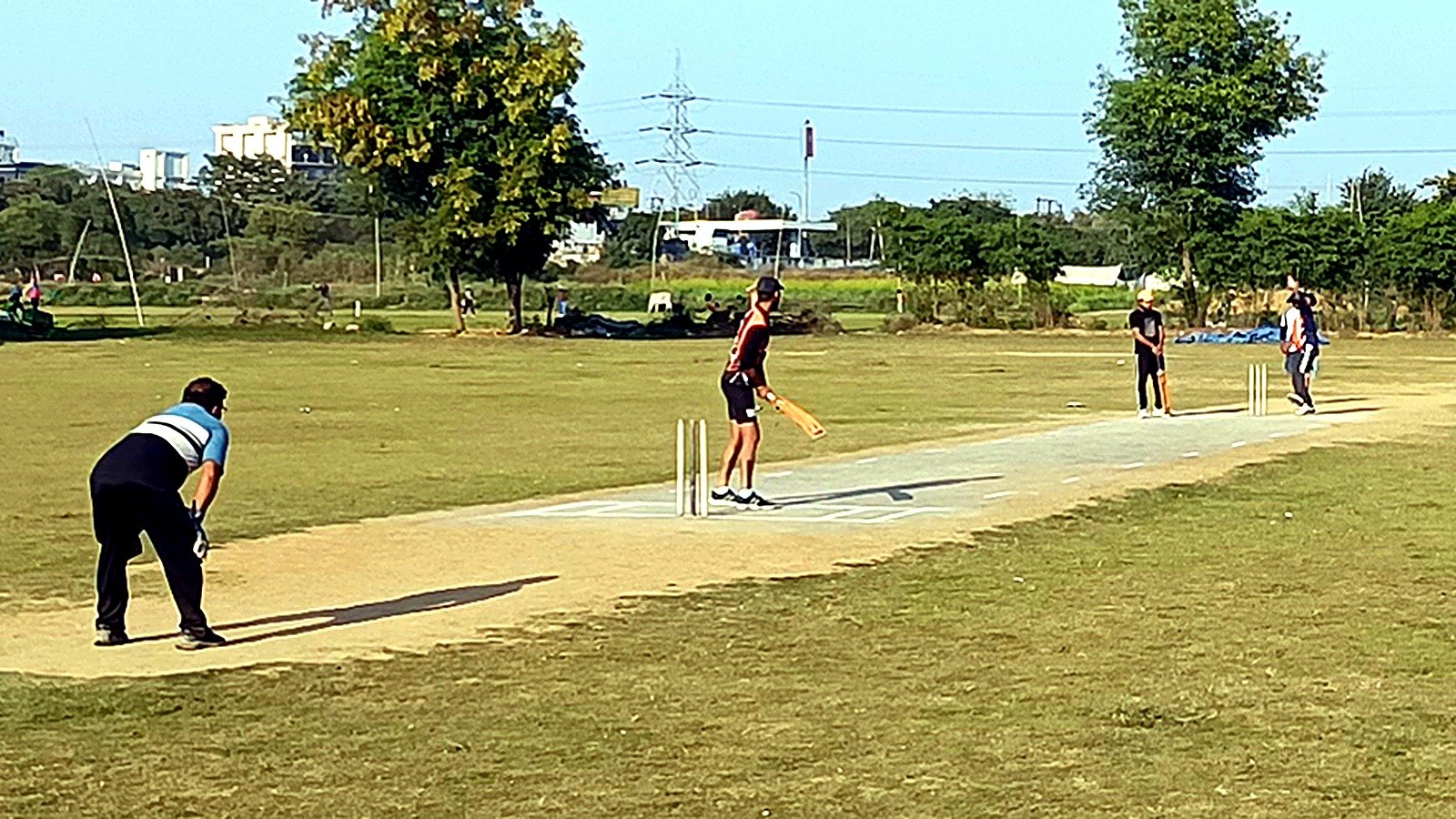
None of that is possible at 150/8. The quiet overs mattered because they kept wickets in the bank for the overs where hitting pays the most: the field is spread, the bowlers are tired, and every boundary is worth more because the innings is about to end.
Same Score, Different Wickets
The run race below shows how close this match was. Look at the two teams at the same points.
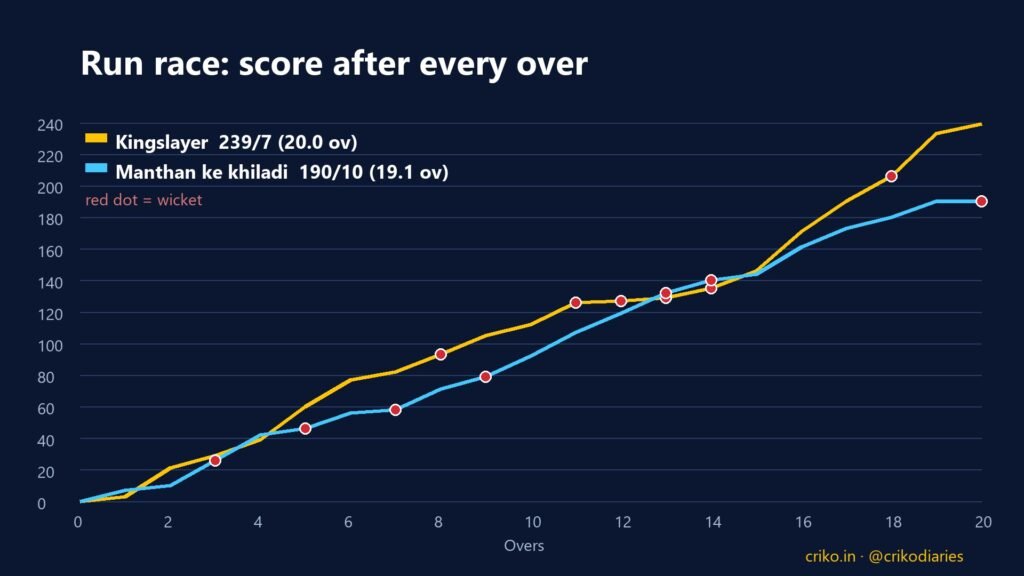
| After | Kingslayer | Manthan ke khiladi |
|---|---|---|
| 6 overs | 77/0 | 56/2 |
| 10 overs | 112/1 | 92/7 |
| 14 overs | 135/5 | 140/9 |
| 15 overs | 146/5 | 144/9 |
| End | 239/7 | 190/10 (19.1 overs) |
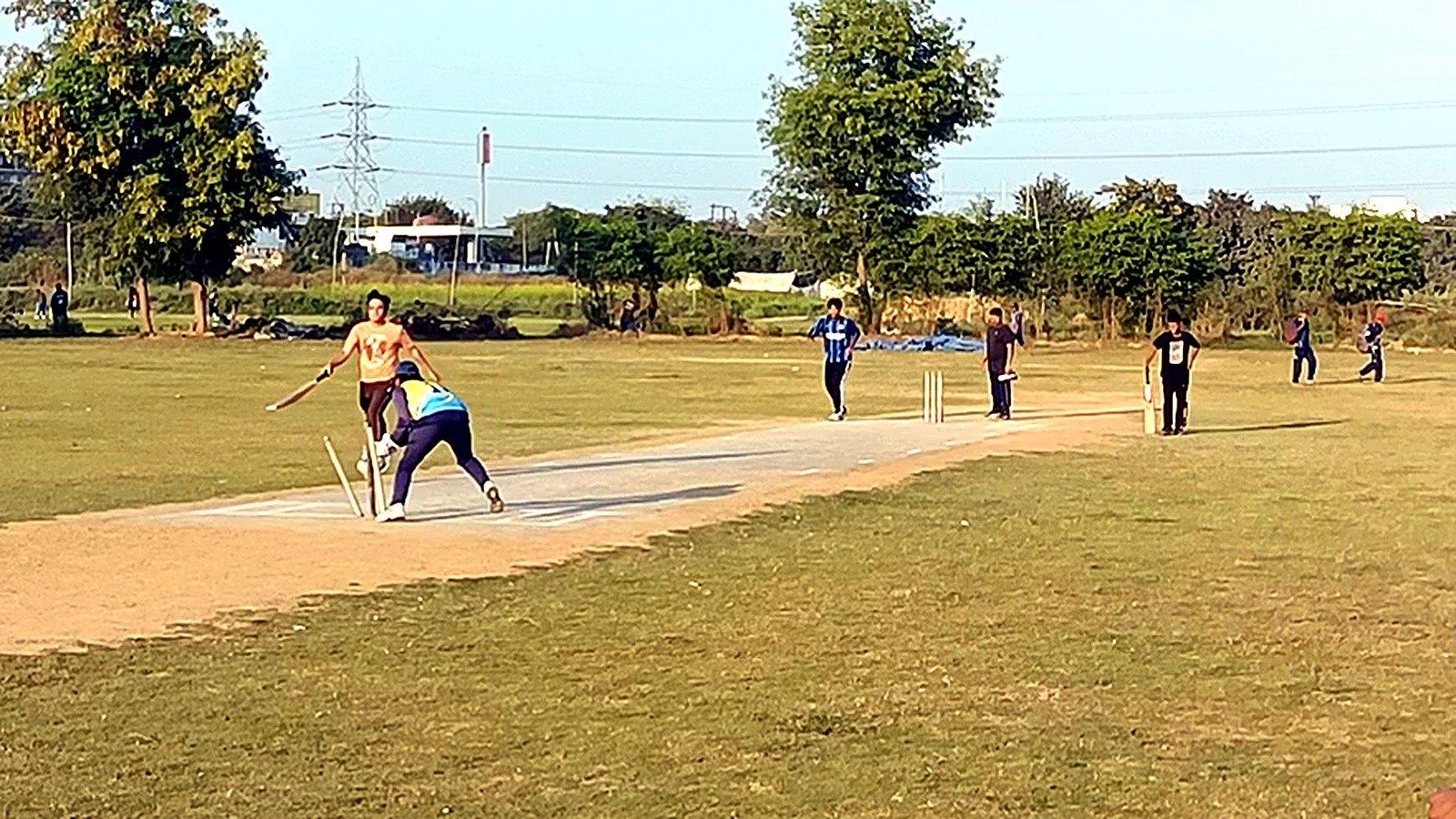
After 14 overs Manthan ke khiladi were five runs ahead of where we had been. But they had one wicket left and we had five. Their chase turned in the seventh over, with a hat-trick: three wickets on three straight balls, one of them a stumping, and 56/2 became 56/5. Their last pair then added 58 runs, which is a reminder for our bowlers too: the tail can bat, and the last wicket is worth chasing as hard as the first. Our wides didn’t help either. We gave away at least 10 of them, three in one over.
Last week we lost a chase while scoring faster than the required rate, because the wickets ran out first. You can read that one in how to avoid a batting collapse in a run chase. This week it was the same lesson from the other side. With the bat, we kept wickets and won the last five overs 93 to 46.
How to Reset After a Cluster of Wickets
These are the habits we want to keep for next Sunday.
- Name the wobble out loud. Two wickets in two overs is the signal. The batters and the dugout should agree on it: “we’re resetting for two overs.”
- Give the reset a time limit. Two or three overs, not the rest of the innings. Our overs 12 to 14 made 9 runs. That’s fine once, but it can’t become the plan.
- Count wickets against overs left. Five wickets with six overs to go lets you swing freely at the end. Three wickets with six overs to go doesn’t. Know where you are before the death overs start.
- Keep a set batter in for the last five overs. Big overs like our 25, 19 and 27 are much easier for someone who has already faced a few balls than for a batter on ball one.
- Turn dots into singles during the reset. Eight dots in overs 12 and 13 is a lot. Pushing into the gaps keeps the strike moving without lifting the ball.
- Then really attack. A reset only works if you attack afterwards. With wickets in hand from over 15, every batter should be looking for the boundary.
- Bowlers: finish the innings and keep it legal. The last pair added 58, and we bowled at least 10 wides. Tidy overs at the end are worth as much as a wicket.
Want to see how the required rate moves in a chase like this? Try the required run rate calculator: 240 from 120 balls is 12 an over, and it climbs fast once wickets start to fall.
Frequently Asked Questions
What should batters do after losing quick wickets in a 20-over match?
Slow down for a short, agreed spell: keep the ball on the ground, take singles, and make sure the next wicket doesn’t come straight away. Then speed up again. In our match, four wickets fell in 20 balls, the next 19 balls passed without a wicket, and the last 36 balls went for 104.
How many runs can a team score in the last five overs?
With wickets in hand, a lot. We scored 93 in our last five overs, and 104 in the last six, after being 135/5 at the end of the 14th. Manthan ke khiladi had one wicket left at the same stage and scored 46. The number of wickets you take into the last five overs often matters more than the score.
What is a good powerplay score in tennis-ball cricket?
It depends on the ground and the bowling, but in our 20-over matches anything around 60 without many wickets down puts you in charge. Our 77/0 this week gave us that platform. On Day 3 we chased 198 with a strong start too. Read about that in how to chase 200 in tennis-ball cricket.
Next Match
Three wins and two losses from five diaries. Next Sunday we want to keep the habit that won this one: when wickets fall together, reset for two overs, and then go again. On the bowling side, we’re aiming for fewer than five wides. Follow every match here in Criko Diaries and on our YouTube channel, Criko Cricket Diaries. If you play weekend cricket, score your next match in the free Criko app. It records every ball and shows the over-by-over numbers, phases and fall of wickets you need to find your own lesson.