
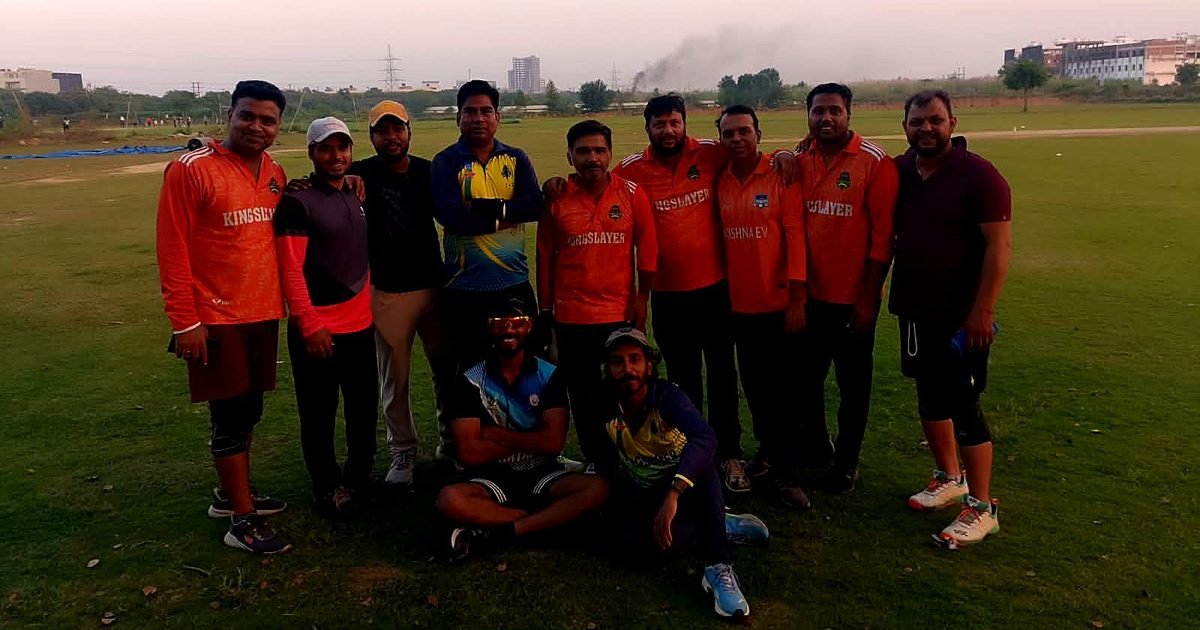
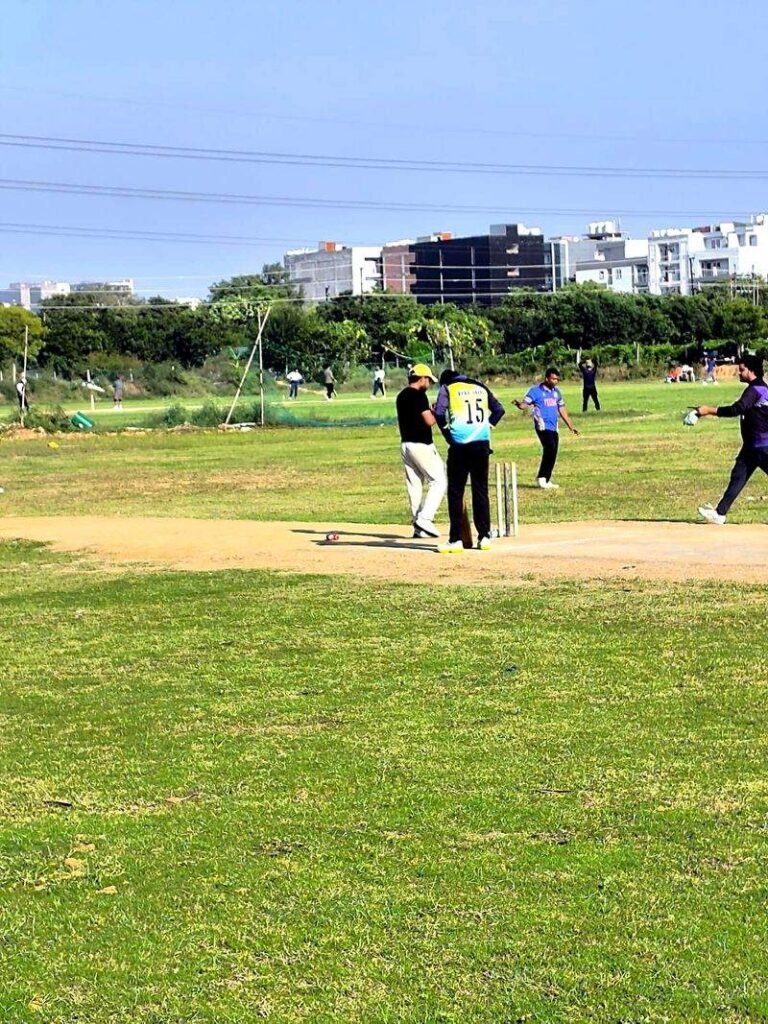
Every Sunday our team, Kingslayer, plays a 20-over match. Criko Diaries is where we write up what each game taught us. Day 1 was against Techie Cricket Club at M2 Ground. We won by 122 runs, but the most useful lesson wasn’t in the batting or the bowling figures. It was in the extras column.
Quick Answer
A wide costs more than the one run you see on the scoreboard. The ball doesn’t count, so it has to be bowled again, and that extra ball is worth whatever the batting side is scoring per ball. In our match the side batting first was scoring about 2 runs a ball, so each wide was really worth around 3 runs, not 1. Across both innings, 38 wides and no-balls added up to more than six extra overs that nobody had planned to bowl.
The Match in Numbers
| Format | 20 overs a side, 11 v 11, a maximum of 4 overs per bowler |
| Playing conditions | 1 run for a wide or a no-ball, free hit after a no-ball |
| Toss | Kingslayer won and chose to bat |
| Kingslayer | 286/10 (20 overs) |
| Techie Cricket Club | 164/10 (18.5 overs) |
| Result | Kingslayer won by 122 runs |
| Extras conceded by Techie CC | 25 (20 wides, 5 no-balls) |
| Extras conceded by Kingslayer | 15 (11 wides, 2 no-balls, 2 byes) |
We scored the whole match ball by ball in the Criko app, which is where every number in this post comes from.
Watch the Highlights
How We Got to 286
286 in 20 overs is 14.3 runs an over, and the interesting part is how it was built. There was no single big partnership. A wicket fell roughly every two overs, and the biggest stand was 53 off 16 balls. What didn’t happen was a slowdown. From the 7th over to the 19th, every over went for at least 11 runs, and overs 13 to 16 added 83 between them.
That suggests every batter who walked in kept the same intent, rather than one batter carrying the innings while the others defended. The scorecard is full of quick 15s, 20s and 40s instead of one big hundred. The innings ended with three wickets in the last over and only 2 runs from it, which is a reminder that the final over isn’t automatically the biggest one.
Where the Extras Came In
Under MCC Law 22, a ball is a wide if it passes too far from the striker for them to hit it with a normal cricket stroke. The batting side gets a one-run penalty, and the ball doesn’t count as one of the over. A no-ball works the same way under Law 21: one run, the ball doesn’t count, and any runs the batter hits off it are added on top. If you want the full rule on what counts towards an over, our guide on how to convert balls to overs covers it.
In our first innings, Techie CC had to bowl 145 deliveries to get through 20 overs. The 25 extra deliveries are just over four extra overs. In practice we batted for 24 overs, not 20.
We weren’t clean either. Our bowlers sent down 11 wides and 2 no-balls, so Techie CC got 13 extra deliveries. Whichever side you were on, extras were part of this match.
Working Out the Real Cost of a Wide
Here’s a simple way to price an extra. The penalty run is the part you can see. The hidden part is the ball that has to be bowled again, and that ball is worth the batting side’s average runs per ball.
Real cost of a wide ≈ 1 penalty run + the batting side’s runs per ball
- Kingslayer batting: 261 runs off the bat from the 125 balls the batters could hit (120 legal balls plus 5 no-balls). That’s about 2.1 runs a ball, so each wide was worth about 3.1 runs.
- Techie CC batting: 149 runs off the bat from 115 hittable balls (113 legal balls plus 2 no-balls). That’s about 1.3 runs a ball, so each wide was worth about 2.3 runs.
| Bowling side | Wides + no-balls | Extras on the scorecard | Rough real cost |
|---|---|---|---|
| Techie CC | 25 | 25 | about 77 runs |
| Kingslayer | 13 | 15 | about 32 runs |
It’s a rough estimate, because it treats the extra ball as an average ball, and it leaves out the free hit that follows a no-ball, which is worth even more. But the point holds: the faster the batting side is scoring, the more a wide costs. In a slow, low-scoring game a wide is close to one run. In a 280-run game it’s closer to three.
Wides and no-balls are also charged to the bowler, so they push up their economy rate. Our post on bowling economy rate in high-scoring T20 matches explains how to read that number fairly when the scores are this big.
The Chase: When the Asking Rate Runs Away
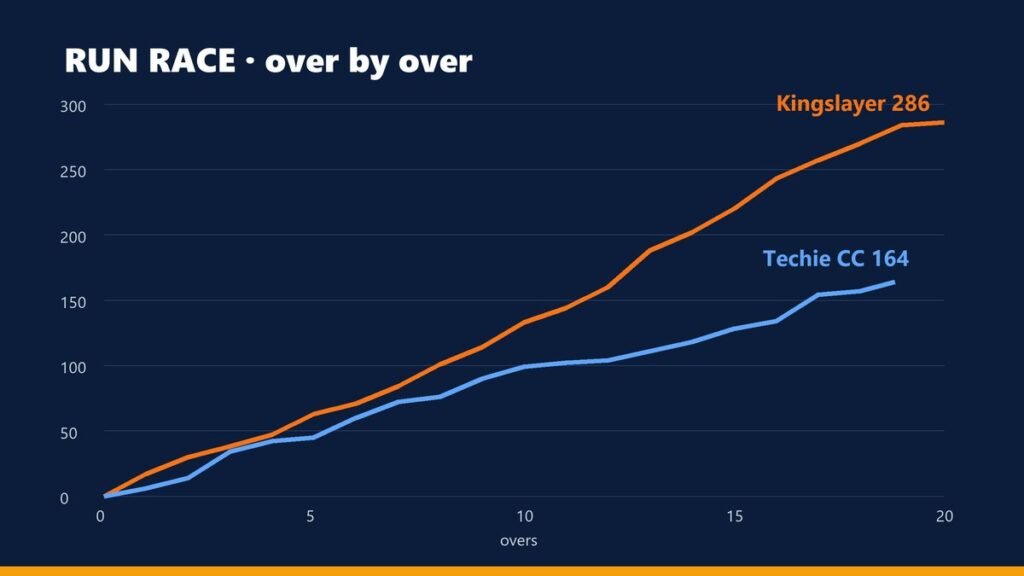
A target of 287 from 20 overs asks for 14.35 an over from the first ball. Techie CC kept up for the first few overs, and the run race chart above shows the two lines close together until about the 5th over. After 10 overs they were 99/4, which meant 188 more from 60 balls, a required run rate of 18.8.
The four overs after that went for 3, 2, 7 and 7. That was the quietest stretch of the whole match, and it came exactly when the chase needed the opposite. Once the asking rate climbs that high, wickets in hand stop mattering much: the batting side has to take risks every ball, and wickets follow. Seven wickets fell after they’d reached 89/3.
For the bowling side, the lesson is the mirror image of the extras lesson. A tight over in the middle of a big chase is worth far more than its figures suggest, because every dot ball pushes the asking rate further out of reach.
How to Bowl Fewer Wides in Amateur Cricket
None of this needs a coach or a bowling machine. These are the habits worth taking into next Sunday.
- Aim at a target, not a line. “Bowl straight” is too vague. Pick the top of off stump and aim at it every ball. A miss by a little is still a ball the batter has to play.
- Warm up bowling, not just batting. It’s easy to spend the whole warm-up holding a bat. Bowling two overs off your full run-up before the toss settles your rhythm before it costs runs.
- Respect the leg side. At most local grounds, anything that drifts down leg is called a wide, even if it’s close. Missing on the off side is usually the cheaper mistake.
- Agree the wide rule before the toss. Some matches follow the Laws, and some use stricter T20-style calls. Knowing which one you’re playing to saves arguments and adjusts your line before the first ball.
- Count extras per bowler, not just per team. A team total of 15 extras tells you very little. Seeing who bowled them, and in which over, tells you what to work on. A scoring app that records every ball does this for you.
- If you’re batting, leave the wide ones. A ball that’s going wide is a free run and a free ball. Chasing it and edging it gives the bowler back what they just gave away.
Frequently Asked Questions
Does a wide count as a ball in the over?
No. Under MCC Law 22, a wide isn’t one of the six balls of the over, so it has to be bowled again. The same applies to a no-ball under Law 21.
How many runs is a wide worth?
On the scorecard, one penalty run plus any runs the batters run or a boundary, all recorded as wides. Its real cost is higher, because the ball is bowled again. In a high-scoring match that extra ball can make a wide worth around three runs.
Do wides count against the bowler’s economy rate?
Yes. Wides and no-balls are charged to the bowler, so they’re included in the runs conceded. Byes and leg byes aren’t. You can check a spell with our bowling economy calculator.
Is a free hit part of the Laws of Cricket?
No. The free hit is a playing condition used in many T20 and limited-overs matches, not one of the MCC Laws. Agree before the toss whether your match uses it.
Next Sunday
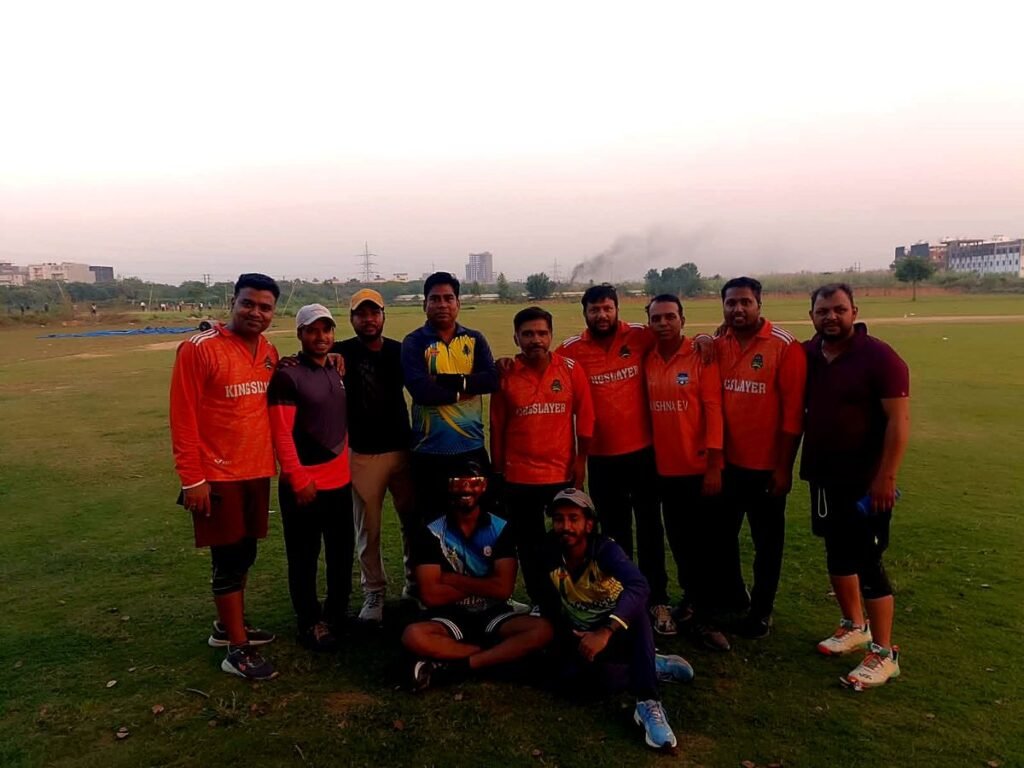
Day 1 gave us a big win and an honest look at our extras. We’ll be back next week with another match and another lesson. You can follow the diary here on the blog and on our YouTube channel, Criko Cricket Diaries. If you play on Sundays too, try scoring your next match in the Criko app. It’s free, and you’ll get your own extras column to look at afterwards.